
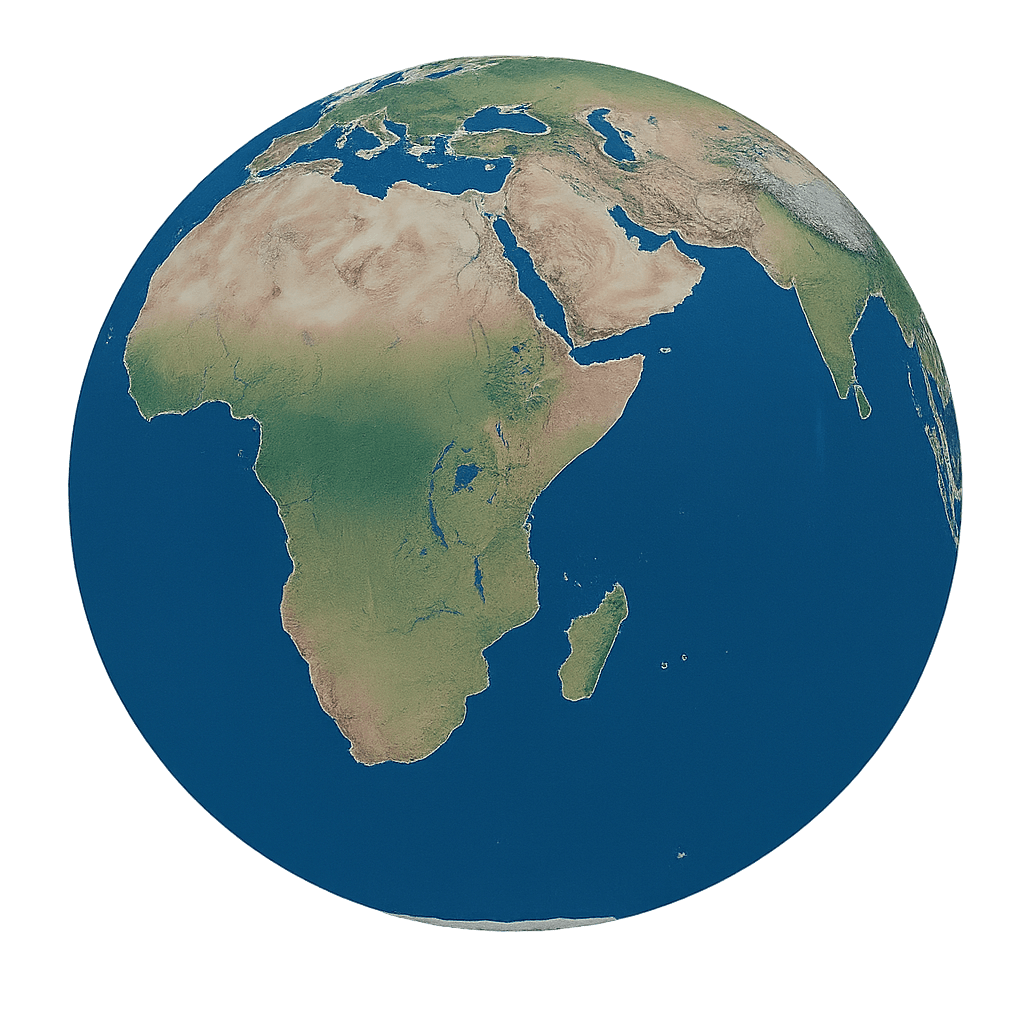
Africa Fest 2026 draws nearly 500 in Barbados

The Diasporadical Initiative’s three-day Africa Fest 2026 brought film, food, music and a beach building session to Barbados from Oct. 30 to Nov. 1, deepening cultural and creative ties between Africa and the Caribbean. The festival featured the first Caribbean screening of Cameroon’s Oscar submission Half Heaven and drew a bigger crowd than last year’s event.
Why it matters: - Africa Fest is trying to turn cultural affinity between Africa and the Caribbean into practical collaboration in film, entrepreneurship and sustainable building. - The festival drew close to 500 people, signaling growing interest in Africa-Caribbean exchange. - The event also gave African and Caribbean creators a platform to discuss co-productions, distribution and shared storytelling.
What happened: - The Diasporadical Initiative held Africa Fest 2026 in Barbados from Oct. 30 to Nov. 1. - The second edition was presented in a first-time partnership with the Barbados National Trust under the theme “Celebrating Our Queens & Kings.” - The festival combined a film screening, a family heritage celebration and a beach-based sustainable-building session. - African Pictures International served as Official Film Partner, and Black Film Wire served as Official Media Partner.
The details: - Friday’s program at the Barbados Museum & Historical Society featured the first Caribbean screening of Half Heaven, Cameroon’s submission for Best International Feature Film at the 96th Academy Awards. - The film follows Kizito, a pastor struggling between judgment and acceptance of people who live differently from him. - About 100 guests attended the screening, which was followed by a Q&A with director Enah Johnscott and producer Carista Asonganyi. - Sahndra Fon Dufe, founder of API and editor-in-chief of Black Film Wire, moderated the discussion with Prince Kuntulo Bazawule. - Johnscott said the screening was the first time the film had been shown in the Caribbean and called for joint co-productions between Central Africa and the Caribbean. - Asonganyi said she self-financed the film and shot it during unrest in Cameroon’s English-speaking regions. - Barbados’ Ambassador to CARICOM, David Comissiong, said the film reflects a social reality found in both the Caribbean and Africa and called for more collaboration between filmmakers. - Barbadian audience members followed the film’s Pidgin dialogue without captions. - Saturday’s flagship family day at Wildey House Gardens drew close to 500 people, up from more than 350 in 2025. - The Procession of the Queens & Kings featured students from the American University of Barbados modeling African royalty costumes. - Nigerian storyteller Tosin “Tosinger” Taiwo headlined the day. - Ola Ilé, Barbados’ first all-female African drumming band, performed alongside the Barbados Landship, which is on UNESCO’s List of Intangible Cultural Heritage in Need of Urgent Safeguarding. - Guests ate Ghanaian, Nigerian, Ethiopian, Eritrean and Barbadian dishes. - Nigeria won the second annual Jollof Wars, beating Ghana and Senegal for the second year in a row. - Kejetia Marketplace vendors sold African and Afro-Caribbean fashion, art and books. - API curated children’s films that included Emo Town, Pure Water and When Mummy Calls from Norway’s Bragi Film Festival. - The Hon. Trevor A. Prescod, minister in the Prime Minister’s Office with responsibility for Pan African Affairs and Heritage, toured the grounds. - The Church of Pentecost joined as a partner. - Sunday’s closing event at AFRO LIME on Miami Beach in Oistins centered on sand-pyramid building and sustainable structures made from sand and seawater. - Participants used modular building kits from Rebella. - Nicholas Wildman, founder and CEO of Rebella, said the session offered hands-on learning and knowledge sharing between African craftsmanship and next-generation construction technology.
Between the lines: - The programming showed a deliberate move beyond celebration and toward infrastructure for long-term cultural exchange. - The festival used food, music, film and construction to frame African-Caribbean ties as both cultural and economic. - The strong turnout and repeat attendance at the Jollof Wars suggest the event is building momentum as a recurring regional gathering.
What's next: - The festival’s organizers are signaling more collaboration around film production, financing and distribution. - The beach-building session suggests Africa Fest may continue expanding into sustainability and practical skills programming. - Media contacts for African Pictures International and The Diasporadical Initiative remain available for follow-up interviews.
The bottom line: - Africa Fest 2026 was not just a celebration of shared identity. It was a push to turn Africa-Caribbean connection into concrete creative and community partnerships.
Disclaimer: This article was produced by AGP Wire with the assistance of artificial intelligence based on original source content and has been refined to improve clarity, structure, and readability. This content is provided on an “as is” basis. While care has been taken in its preparation, it may contain inaccuracies or omissions, and readers should consult the original source and independently verify key information where appropriate. This content is for informational purposes only and does not constitute legal, financial, investment, or other professional advice.
Sign up for:
Education Daily Latin America
The daily local news briefing you can trust. Every day. Subscribe now.
Check Your Email!
We sent a one-time activation link to: .
Confirm it's you by clicking the email link.
If the email is not in your inbox, check spam or try again.
Welcome back!
is already signed up. Check your inbox for updates.